NUS biological scientists have discovered hidden targets on the Dengue virus during transmission into human hosts. The Dengue virus changes its shape…
NUS biologists have discovered a mechanism explaining why motor neurons are more vulnerable and degenerate first in a common neurodegenerative…
NUS marine ecologists have developed structurally complex tiles with relevant microhabitats and a large-scale deployment strategy for enhancing intertidal biodiversity…
NUS biologists used a safe insect virus as gene therapy vectors to treat bladder cancer in mouse tumour models. To…
NUS biologists have discovered that campotothecin (CPT), a highly selective DNA topoisomerase 1 (TOP1) inhibitor, targets stem cells in the…
NUS researchers have established an association between dam construction and the increase in the proportion of non-native species in freshwater…
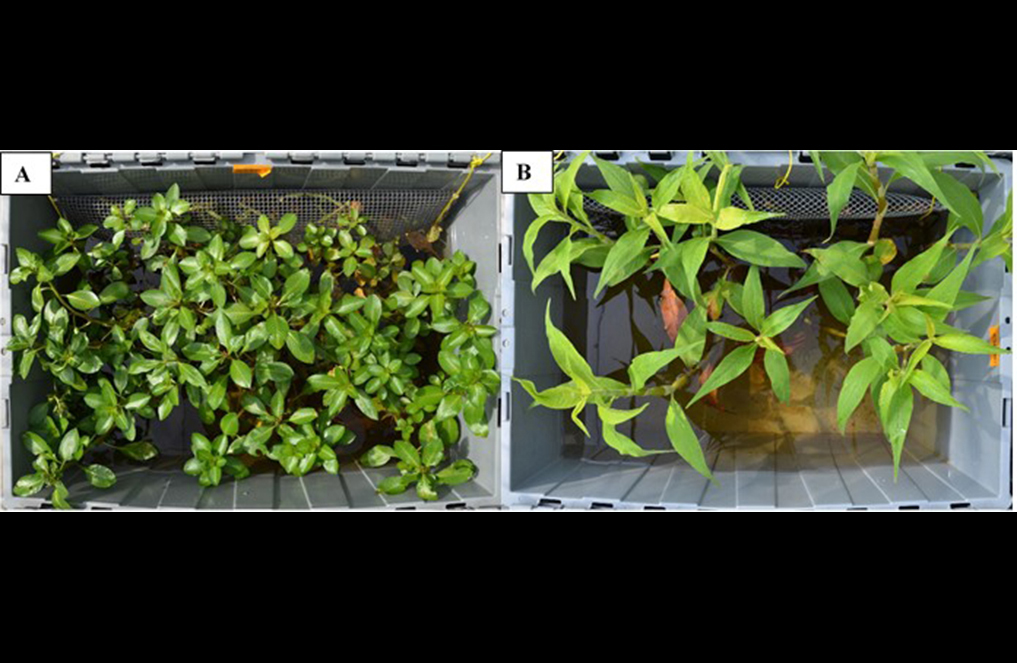
NUS biologists have developed an effective method for protein extraction from green algae to detect environmental pollutants. 25 Aug 2016….
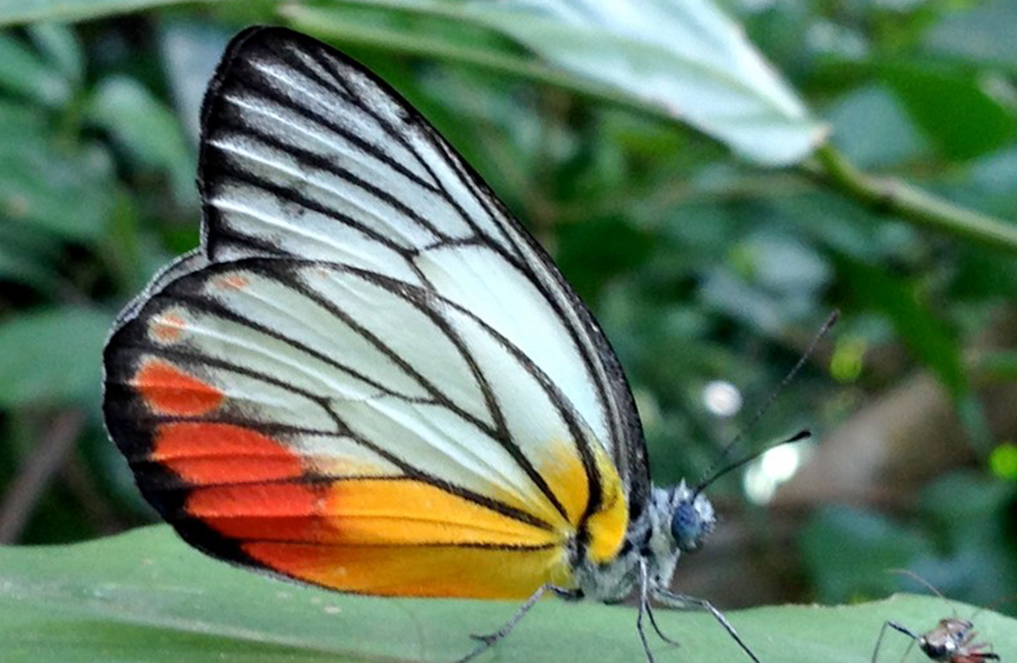
NUS scientists have found that most tropical butterflies tend to feed on a variety of flowers but some species are…
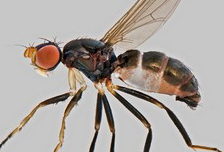
NUS scientists used flies to document rapid changes in the evolution of genome size in animals. Genomes contain the genetic…
NUS scientists conducted field experiments using paper models of butterflies to show how particular features of their wing patterns affected…
NUS scientists have synthesised the cDNA clone of the Brazilian variant of the hibiscus plant virus. Prof WONG Sek Man…